
PMB Bitumen PG 70-28 in Brazil
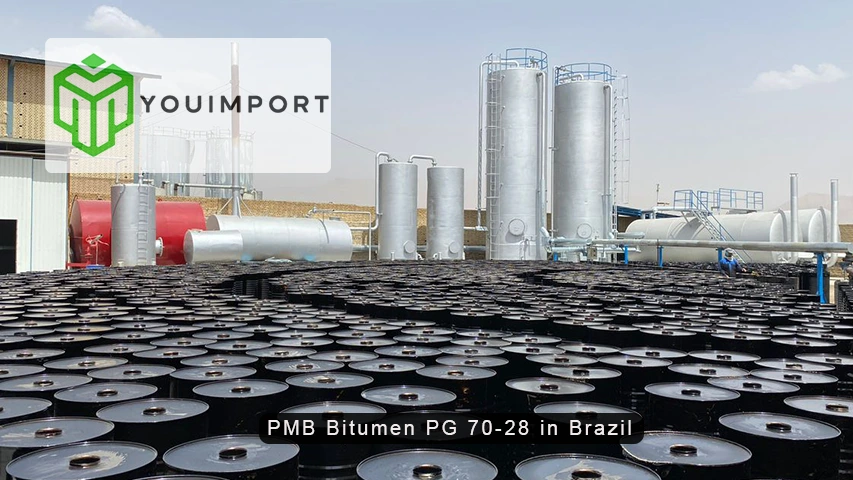
Description of PMB Bitumen PG 70-28 in Brazil
PMB Bitumen PG 70-28 in Brazil is a polymer modified binder engineered for pavements that face wide temperature swings — hot summer road surfaces above 70°C and cold winter nights dropping toward -28°C.
The “PG” designation stands for Performance Grade, a system developed under the Superpave (Superior Performing Asphalt Pavements) research program and standardized by AASHTO M320. It classifies bitumen by the actual pavement temperature range it can withstand without rutting in heat or cracking in cold, rather than by penetration or viscosity alone.
PG 70-28 is referenced here as an internationally recognized export specification that buyers sourcing for projects under AASHTO-based design criteria, concession contracts with US-influenced specs, or export re-blending purposes may request.
What is the Usage of PMB Bitumen PG 70-28 in Brazil?
Polymer modification, typically achieved with SBS (styrene-butadiene-styrene) elastomers, gives the bitumen elastic recovery, meaning the pavement surface can stretch under load and return to shape instead of deforming permanently. This is especially valuable on BR-101, BR-116, and other high-traffic federal highways carrying heavy freight corridors, where rutting from truck axle loads is a chronic maintenance cost.
- Heavy-duty highway wearing courses on federal and state roads
- Port and industrial yard pavements subject to constant heavy vehicle loading
PMB Bitumen PG 70-28 in Brazil Specification
PMB Bitumen PG 70-28 is defined by its performance across a 98°C total temperature span, calculated as the difference between the high-temperature grade (70°C) and the low-temperature grade (-28°C).
| CHARACTERISTICS | UNIT | LIMITS | TEST METHODS |
|---|---|---|---|
| Average 7-day Max. Pavement Design Temp | °C | < 70 | ASTM D6373 |
| Minimum Pavement Design Temperature | °C | >-28 | ASTM D6373 |
| ORIGINAL BINDER | |||
| Flash Point Temp, T48: Minimum | °C | 230 | ASTM D92 |
| Viscosity Max. Test Temperature | Pa S | 0.3 | ASTM D4402 |
| Dynamic Shear, TP5:Min 1.00 kPa test temp@10rad/s | KPa | 1.00 Min | ASTM D6373 |
| ROLLING THIN FILM OVEN (T240) | |||
| Mass Loss, Maximum, Percent | % | 1.00 | ASTM D6 |
| Dynamic Shear, TP5:Min 2.20 kPa test temp@10rad/s | KPa | 2.20 | ASTM D6373 |
| PRESSURE AGING VESSEL RESIDUE (PPI) | |||
| PAV Aging Temperature | – | 100/110 | – |
| Dynamic Shear, TP5:Max 5000 kPa test temp@10rad/s | KPa | 5000 | – |
| PHYSICAL HARDENING REPORT | |||
| Creep Stiffness, TP1:S, Max 300.0MPa, Min0.300 test temp@60s | °C | -18 | ASTM D6648 |
| Direct Tension, TP3: Failure Strain, Min 1.0% test temp@1.0mm/min | °C | -18 | ASTM D6723 |
PG 70-28 Packing in Brazil
- Steel Drum
- 180 KG: Loading 110 Drum in 20ft Container : 19.80 Ton Net
- 150 KG: Loading 110 Drum in 20ft Container : 16.50 Ton Net
- 1MT Jumbo Bag
- with Pallet : Loading 20Ton in 20ft Container : 20Ton Net
- without pallet: Loading 20Ton in 40ft Container : 20Ton Net
Import & Shipping to Brazil
Importing PMB Bitumen PG 70-28 into Brazil follows the same regulatory backbone as other bitumen products, filtered through Siscomex, Brazil’s integrated foreign trade system. The correct NCM code classification should be confirmed with your despachante aduaneiro (customs broker) before shipment, since polymer modified binders can occasionally be classified differently from straight-run penetration grade bitumen depending on the declared composition and end use. Import duties, PIS/COFINS, and ICMS calculations all flow from this classification, so getting it confirmed early avoids costly reclassification disputes at the port.
Sea Ports of Brazil That We Import
We regularly ship PMB Bitumen PG 70-28 and related products into :
- Porto de Santos, Brazil’s largest and busiest container and bulk terminal, well equipped for heated bulk liquid cargo handling.
- Porto de Suape in Pernambuco serves the Northeast region efficiently, with growing capacity for industrial liquid bulk imports.
- Porto de Paranaguá in Paraná handles significant bulk cargo volume for the South region’s highway and infrastructure projects.
- Porto do Itaqui in Maranhão provides strong access to the North and Northeast.
- Porto de Rio Grande in Rio Grande do Sul serves the southernmost states.
- Porto de Itajaí in Santa Catarina.
- Porto do Rio de Janeiro round out our regular routing options, giving buyers flexibility to choose the port closest to their project site and minimize inland freight costs.